Winterizing Tips for Your Vacation Rental: Keep Your Property Safe This Winter
Winterizing a vacation rental requires a systematic checklist to prevent catastrophic damage like burst pipes during periods of vacancy. The process involves three critical phases: completely shutting off and draining the main water supply, maintaining a baseline thermostat temperature of 50°F, and insulating vulnerable exterior access points.
Key Takeaways
Protecting your vacation rental investment from catastrophic winter damage requires a proactive, multi-layered approach. The most critical and actionable insights from this guide include:
-
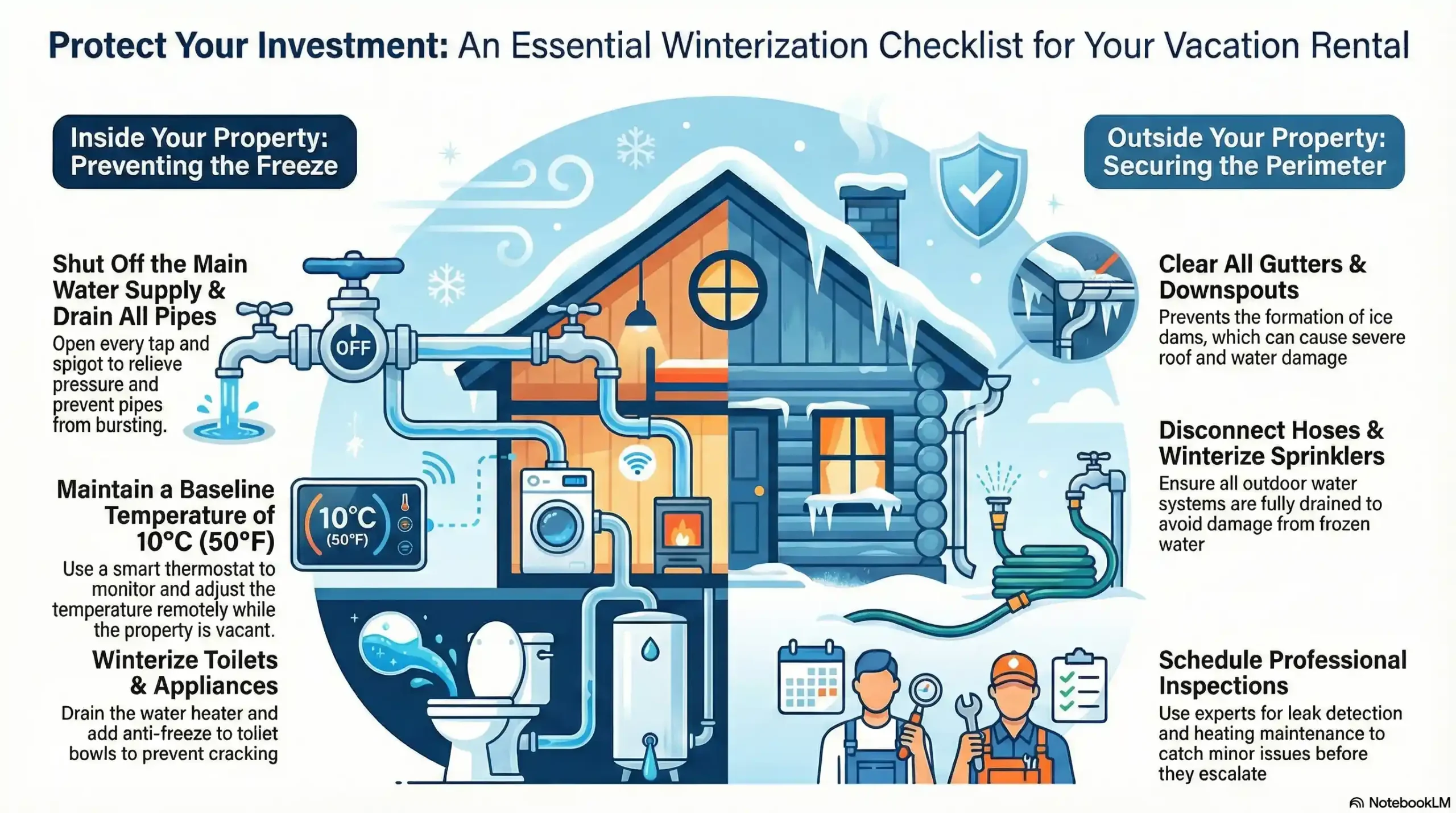
Eliminate Internal Water Pressure: The highest priority action is to shut off the main water supply and fully drain all lines by opening every faucet, spigot, and hose bib. This removes all standing water and relieves pressure, preventing burst pipes.
-
Maintain a Remote-Monitored Baseline Temperature: While vacant, set your thermostat no lower than 50 degrees Fahrenheit to prevent freezing, and leverage a smart thermostat for remote monitoring and adjustments.
-
Systematically Winterize Appliances: Go beyond basic draining; ensure water is cleared from appliances like the water heater, and use anti-freeze in the toilet tank and bowl to stop residual water from cracking porcelain or pipes.
-
The Exterior Is Just As Crucial: Disconnect and drain all garden hoses, and secure a winterization service for your entire sprinkler system. Furthermore, keep all gutters and downspouts clear to avoid the formation of ice dams and roof damage.
-
Prioritize Professional Oversight: Schedule regular property inspections throughout the season and utilize professional services, such as Top-Notch Plumbing’s advanced leak detection and heating maintenance, to catch minor issues before they escalate into major, costly repairs.
Why Winterizing Matters
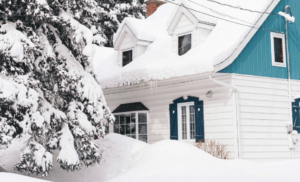
Winterizing your vacation rental is crucial for keeping your property safe and ensuring that it’s ready to welcome guests when the busy season arrives. Winter storms, freezing temperatures, and heavy snow can wreak havoc on an unprepared home, leading to burst pipes, water damage, and expensive repairs.
Whether your vacation rental will be vacant during the winter or you plan to host winter guests, proper winterization ensures that your property remains protected throughout the cold winter months.
1. Shut Off the Water and Drain the Lines
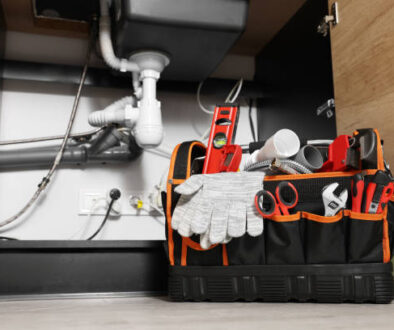
One of the most important steps in winterizing your vacation rental is shutting off the water supply. Turning off the water main helps prevent water from entering your pipes and freezing. After you shut off the water, it’s essential to drain the remaining water from your lines. Open all faucets, spigots, and hose bibs to allow the water to drain completely.
Leaving the faucets open helps relieve pressure in the lines, giving any remaining water room to expand without causing damage. Additionally, if your rental has a fire sprinkler system, take extra precautions to ensure that all water is drained properly to avoid freezing.
2. Set the Thermostat to a Safe Temperature
While you want to conserve energy, it’s essential to maintain a low but consistent temperature in your vacation rental. We recommend setting the thermostat to around 50 degrees Fahrenheit. This prevents your pipes from freezing while minimizing heating costs. If you have a smart thermostat, you can monitor and adjust the temperature remotely, ensuring your property stays protected even when you’re not there.
Regularly checking your heating system and furnace is crucial during the winter. Top-Notch Plumbing offers heating services, including maintenance and repairs, to keep your heating system running smoothly.
3. Insulate Vulnerable Areas
Inspect areas of your home that are exposed to the elements, such as crawl spaces, attics, and exterior walls. Ensure these areas are properly insulated to protect pipes from freezing temperatures. If your rental property has an exposed water main or exterior pipes, insulating them can provide an extra layer of protection. Sealing cracks, gaps, and drafty windows can also help keep your home warm and prevent cold air from entering.
4. Unplug and Winterize Appliances
Before leaving your vacation rental vacant, unplug any appliances that won’t be in use, including kitchen appliances, water heaters, and even your furnace if you’re fully winterizing the home. Draining water from your water heater and other water-dependent appliances can prevent them from freezing and causing damage.
Don’t forget to winterize toilets by turning off the water and flushing to clear the tank and bowl. Adding antifreeze to the toilet tank and bowl can prevent any remaining water from freezing and causing cracks.
5. Perform Regular Maintenance and Inspections
Winter maintenance doesn’t stop at the initial winterization process. Regularly inspecting your property throughout the winter can help catch potential problems before they escalate. Checking for leaks, inspecting the roof for snow buildup, and ensuring that gutters are clear of debris are all essential steps in preventing winter damage.
At Top Notch Plumbing, we provide leak detection services to identify any hidden issues that could cause major problems down the line. Our team uses advanced technology to pinpoint leaks and provide cost-effective solutions.
6. Prepare Your Exterior and Outdoor Spaces
The exterior of your vacation rental is just as important as the interior when it comes to winterizing. Make sure to disconnect and drain garden hoses, shut off outdoor faucets, and winterize your sprinkler system. Inspect gutters and downspouts to ensure they’re clear of leaves and debris, as clogged gutters can lead to ice dams and water damage.
If your vacation rental is located in an area prone to heavy snowfall, consider hiring a snow removal service to keep driveways and walkways clear. This helps prevent injuries and ensures your rental remains accessible to guests throughout the winter.
7. Ensure Your Property is Guest-Ready for Winter
If you plan to host guests during the winter season, make sure your vacation rental is winter-ready. Provide clear instructions for operating the heating system, fireplaces, and any other winter-specific amenities. Stock up on essentials like firewood, shovels, and ice melt to make your guests’ stay as comfortable as possible.
Additionally, consider hiring a property management service to perform periodic checks on your rental if it will be vacant. A reliable property manager can help ensure your home is protected from potential damage and is ready to welcome guests when the winter season is in full swing.
Resources and Citations
To further support the information provided in this guide, we reference official guidelines and expert recommendations on property winterization and safety:
-
U.S. Department of Energy (DOE): Turn Down the Temperature, but Don’t Let Your Pipes Freeze! – Essential tips for balancing energy efficiency with maintaining a safe indoor temperature (no lower than 50°F or 55°F) to protect plumbing from freezing.
-
American Red Cross: Preventing & Thawing Frozen Pipes – Detailed, step-by-step instructions on insulating vulnerable pipes and the correct, safe methods for thawing a pipe that has already frozen (e.g., using a hairdryer, not an open flame).
-
National Weather Service (NOAA): Winter Weather Safety and Preparedness – Comprehensive recommendations for property owners on preparing the exterior, managing the threat of ice dams, and stocking emergency supplies before a major winter storm hits.
Winterizing your vacation rental is crucial for protecting your investment and ensuring that your property remains in top condition, regardless of the weather. At Top Notch Plumbing, we offer a comprehensive range of plumbing services to help you winterize your home, including leak detection, heating maintenance, drain cleaning, and more.
Don’t wait until winter is here—start preparing your vacation rental today and enjoy peace of mind knowing your property is safe and secure throughout the winter months. Contact Top-Notch Plumbing for all your winterization needs, and we’ll help you keep your vacation rental in top shape year-round.
FAQs
-
Set the thermostat to a minimum of 55°F to 60°F. Check your insurance policy, as some mandate a specific minimum temperature to maintain coverage for burst pipes.