What Size Furnace Do I Need? Finding the Right Size Furnace for Your Home
Choosing the right furnace size for your home isn’t just about comfort; it’s about efficiency and cost savings. If your furnace is too big or too small, you could face higher energy bills, poor heating performance, and the need for more frequent repairs. So, what size furnace do you need for your home? This guide will help you understand the factors to consider and how to estimate the ideal furnace size for your space.
Why Furnace Size Matters
When it comes to heating your home, size matters. The right size furnace ensures your home stays warm without overworking the system. An undersized furnace will struggle to meet demand, running constantly and wearing out faster. On the other hand, an oversized furnace will short cycle, heating your home too quickly and unevenly, leading to wasted energy.
A properly sized furnace heats your home evenly, runs efficiently, and lasts longer. But how do you determine what size furnace is right for your home?
Factors to Consider When Choosing a Furnace
The size of the furnace you need is determined by several factors:
-
Square Footage – One of the main factors in determining furnace size is the square footage of your home. A larger home requires more BTUs (British Thermal Units) to heat properly. For example, homes in colder climates generally need about 60 BTUs per square foot.
-
Climate Zone – Your climate plays a significant role in choosing the right size furnace. Colder regions, like Northern Colorado, need higher BTU output to maintain warmth in the winter.
-
Insulation – How well your home is insulated also affects furnace size. If your home is well insulated, you’ll need less heating power. Homes that lack proper insulation will require a larger furnace to compensate for heat loss.
-
Ceiling Height – High ceilings can increase the volume of air that needs to be heated, requiring a larger furnace to maintain consistent warmth.
-
Windows and Doors – The number and quality of windows and doors can impact heat loss. Poorly insulated windows or doors may lead to higher energy demands.
How to Calculate the Size of Furnace You Need
To estimate the size furnace you need, calculate the square footage of your home and multiply it by the required BTUs per square foot. For homes in colder climates like Greeley, Colorado, the rule of thumb is around 60 BTUs per square foot. For example, if your home is 2,000 square feet, you’ll need a furnace with about 120,000 BTUs.
Formula:
Square Footage of Your Home × BTUs per Square Foot = Total BTU Requirement
While this gives a rough estimate, the most accurate way to determine your furnace size is to get a professional assessment. At Top-Notch Plumbing, Heating & Air, we specialize in performing precise load calculations to ensure you get the right size furnace for your home.
Furnace Size Charts and BTU Calculators
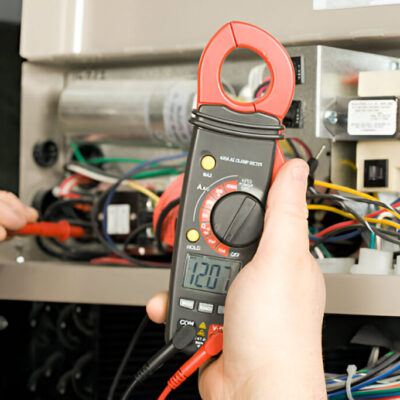
Many online tools and charts can help give a general idea of the furnace size you might need based on square footage and climate zone. However, these are often general guidelines and may not account for the unique factors of your home, such as insulation quality, layout, or existing HVAC system.
For a More Accurate Calculation:
We recommend consulting a professional HVAC technician to assess your home’s heating needs. Using a Manual J load calculation, our team at Top-Notch can evaluate every factor influencing your home’s heating requirements, ensuring you invest in the ideal furnace size.
Furnace Efficiency: Why It Matters
The efficiency of your furnace is measured by its AFUE (Annual Fuel Utilization Efficiency) rating. A higher AFUE rating means your furnace uses less energy to produce the same amount of heat. This not only reduces your energy bills but also lowers your environmental impact.
Choosing a more efficient furnace may allow you to opt for a slightly smaller size, as it will heat your home more effectively. For instance, at Top-Notch Plumbing, Heating & Air, we recommend modern, high-efficiency furnaces to homeowners in Northern Colorado, especially as heating demands rise in winter months.
How Top-Notch Can Help You Choose the Right Furnace Size
At Top-Notch Plumbing, Heating & Air, we understand that selecting the right furnace size is crucial for your comfort and energy bills. Our expert technicians will conduct a detailed assessment of your home, taking into account square footage, insulation, climate zone, and more to recommend the best furnace for your needs.
Whether you’re installing a new furnace or replacing an old one, we provide complete furnace solutions for residents in Greeley, Evans, and the surrounding Northern Colorado areas.
Ready to Find the Right Furnace for Your Home?
If you’re unsure about what size furnace you need, don’t leave it to guesswork. Our team at Top-Notch Plumbing, Heating & Air offers professional assessments to help you make the right choice. From furnace installation to repair and maintenance, we’ve got you covered.
Contact us today to schedule a consultation and ensure your home stays warm and efficient this winter.