
Can a Mini Split Heat and Cool Your Whole House?
Yes, a mini split system can heat and cool an entire house effectively, provided you use a multi-zone configuration with correctly sized indoor units. While single units suit small spaces, whole-home coverage requires strategic placement of air handlers to fully replace or supplement traditional central HVAC systems.
Key Takeaways
To make an informed decision on using a mini-split system for your entire residence, here are the most critical insights from the article:
-
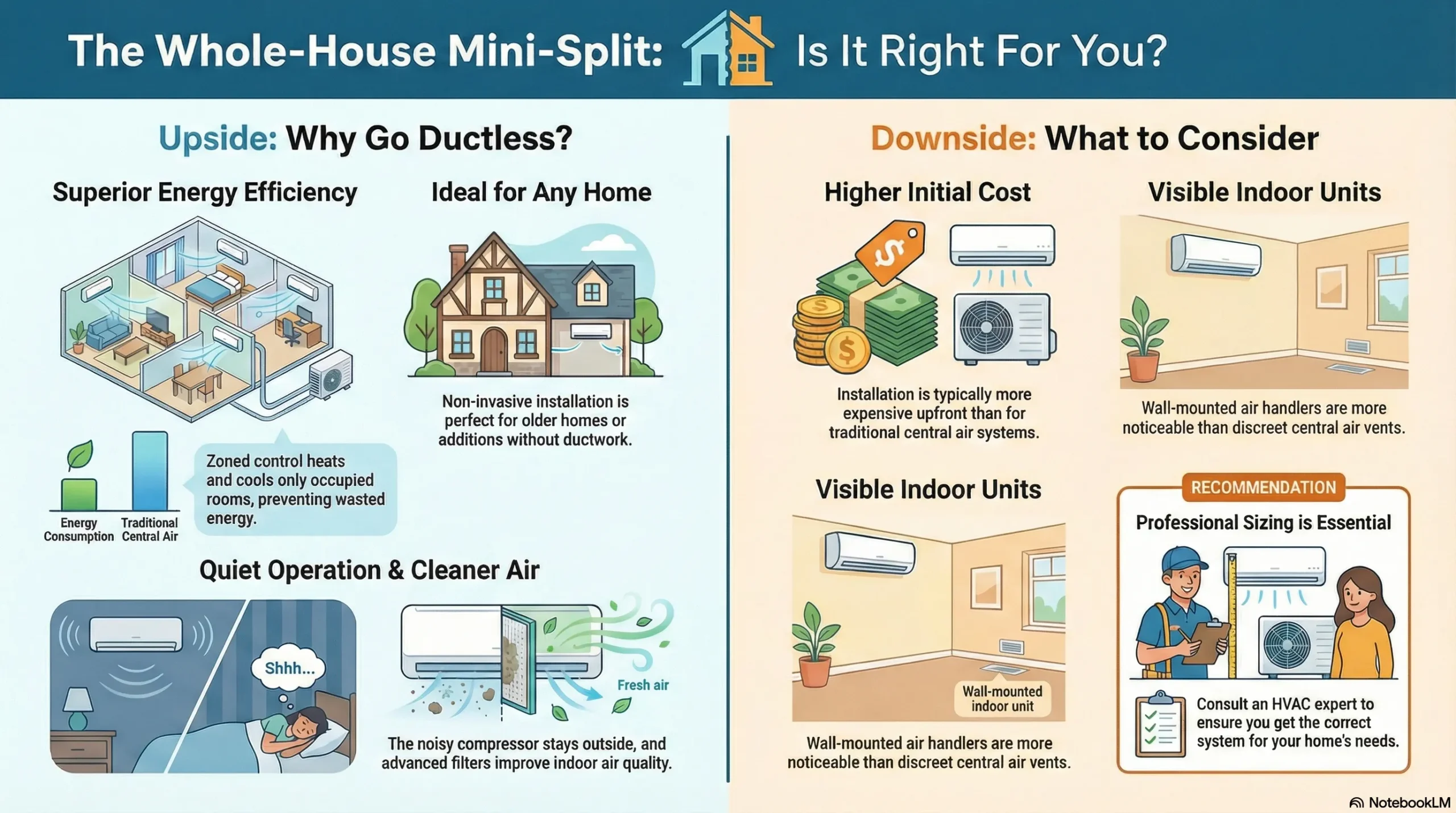
Whole-House Coverage is Achievable: Yes, a mini-split system can cool and heat your entire home, but it requires a multi-zone configuration with enough indoor air handlers to cover all major rooms and spaces.
-
Superior Efficiency & Zoning: These systems are significantly more energy-efficient than central HVAC because they allow you to precisely control the temperature in individual rooms (zoning), avoiding the wasted energy of conditioning unused areas.
-
Ideal for Ductless Homes: Mini-splits are a perfect, non-invasive solution for older homes, additions, or spaces where installing traditional ductwork is impractical or too costly.
-
Cost vs. Aesthetics Trade-off: The system typically has a higher initial installation cost compared to standard AC, and some homeowners may find the wall-mounted indoor units less visually appealing than hidden vents.
-
Quiet Operation and Clean Air: The noisy compressor stays outside, ensuring quiet indoor operation, while the system’s advanced filtration can also improve the air quality in your home.
-
The Next Step is Professional Sizing: To ensure you select the correct system size and number of heads, it is essential to consult with an expert HVAC contractor like Top-Notch Plumbing, Heating, & Air.
What is a Mini Split System?
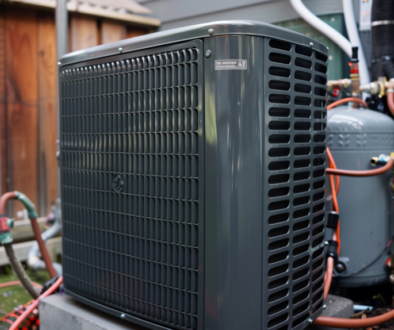
A mini split system, or ductless mini split, is an HVAC solution that provides both heating and cooling to individual zones or rooms without the need for traditional ductwork. These systems consist of an outdoor unit (often called a heat pump) and one or more indoor air handlers placed throughout the house.
Mini splits work by extracting heat from the outdoor air and moving it inside during the winter. In the summer, the system reverses the process, carrying heat out of your home to cool the air inside. The technology allows for precise temperature control in each zone, making it a great choice for homes without ducts or those looking for an energy-efficient alternative to traditional central air conditioning systems.
Can a Mini Split Cool a Whole House?
The short answer is yes, a mini split can cool an entire house, but you will need multiple units, likely one in each room. How many depends on a few key factors:
-
Size of the Home
For smaller homes or single-story homes, a single ductless mini split system may be enough to cool the whole house. Larger homes or multi-story homes may require a multi-zone mini split system, which can cool multiple rooms at once. With the right configuration, mini splits can provide even cooling throughout the house, from the living room to the upstairs bedrooms. -
Number of Indoor Units
To cool your entire house, you’ll need to install enough indoor air handlers to cover all your key rooms. Some mini split systems can support up to eight indoor units connected to a single outdoor unit, allowing you to cool multiple rooms or even the whole home. -
Zoning Capabilities
A key feature of ductless mini split systems is their zoning capabilities. With multiple air handlers, you can cool or heat specific rooms while leaving others untouched. This zoning capability is efficient and can reduce energy costs by only cooling the rooms you’re using. -
Heating and Cooling Efficiency
Mini split heat pumps are incredibly efficient. They use less energy than traditional HVAC systems, making them an ideal solution for whole-house cooling. Additionally, because they don’t rely on ductwork, mini splits avoid the energy losses commonly associated with central air conditioning systems.
 Advantages of Cooling an Entire House with a Mini Split
 Advantages of Cooling an Entire House with a Mini Split
Using a mini split system to cool your whole house offers several advantages:
-
Energy Efficiency
Since mini splits use heat transfer rather than generating heat or cold air, they consume less energy than traditional systems. You’ll also save money by controlling the temperature in individual rooms. -
Flexible Installation
Mini split installation is more straightforward than central air systems. They don’t require extensive ductwork, so they are often easier and quicker to install. They also work well for homes without existing duct systems or in areas where running ductwork is impractical. -
Quiet Operation
Mini splits are quieter than many traditional HVAC systems. The noisy part—the compressor—sits outside, while the indoor air handlers operate quietly, making them a good fit for bedrooms and living areas. -
Better Air Quality
With ductless air conditioning, you avoid many of the dust, mold, and allergens that can accumulate in ducts. Mini splits include advanced filtration, which can improve the indoor air quality in your home.
Get A Free Mini Split Estimate
Disadvantages of Cooling a Whole House with a Mini Split
Although mini splits offer many benefits, there are a few potential downsides to consider:
-
Initial Cost
Mini split systems can be more expensive to install compared to a traditional air conditioning system or a window unit. However, the long-term energy savings can offset the higher upfront cost. -
Aesthetics
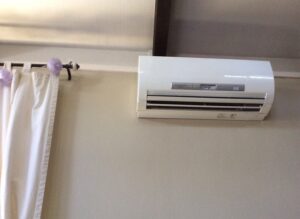
Unlike central air systems where vents are typically hidden, the indoor air handlers of a mini split system are mounted on walls. While they are compact, some homeowners might find them less visually appealing.
Are Mini Splits Powerful Enough to Cool Multiple Rooms?
Yes, mini splits can cool multiple rooms if properly configured. Single-zone systems are perfect for smaller spaces, but for larger homes, a multi-zone mini split system may be needed. These systems allow for the use of several air handlers placed strategically throughout the house, ensuring each room receives adequate cooling.
For example, a multi-zone ductless mini split system can easily cool up to eight rooms with a single outdoor unit, making it an effective solution for larger homes or homes with multiple floors.
Mini Split Systems vs. Traditional HVAC Systems
So, how do mini split systems compare to traditional central air conditioning systems?
-
No Ductwork Required
One of the biggest differences is that mini splits don’t require ductwork, which makes them ideal for older homes, home additions, or spaces where duct installation is impractical. -
Zoning Flexibility
Central air systems cool the entire house whether you’re using all the rooms or not. Mini splits, on the other hand, allow you to cool specific rooms or zones, providing more control over your home’s temperature. -
Energy Savings
Because mini splits don’t lose energy through ducts and allow for precise temperature control, they are generally more energy-efficient than central air conditioning systems.
Resources & Citations
-
Ductless Mini-Split Heat Pumps: Guide & Benefits
-
Source: U.S. Department of Energy (DOE)
-
Why it’s relevant: This comprehensive guide from an authoritative government source validates the core claims about mini-split efficiency, the flexibility of multi-zone setups, and their suitability for retrofitting homes without ductwork, directly supporting the article’s foundational information.
-
-
Field Assessment of Cold Climate Air Source Heat Pumps
-
Source: American Council for an Energy-Efficient Economy (ACEEE)
-
Why it’s relevant: This link provides technical data and performance metrics, confirming that modern mini-split technology, particularly systems with variable-speed compressors, can efficiently heat homes even in very cold climates (down to 5°F and below), which is a critical consideration for a Northern Colorado audience.
-
-
ENERGY STAR Certified Mini Split Heat Pump Fact Sheet
-
Source: ENERGY STAR (U.S. Environmental Protection Agency)
-
Why it’s relevant: This fact sheet backs the article’s claims regarding significant energy savings, stating that certified mini-splits use up to 60% less energy than standard electric heating and can provide custom comfort through zoning, reinforcing the primary benefit to the homeowner.
-
Final Thoughts: Is a Mini Split Right for Your Whole House?
A mini split system can be an excellent option for cooling an entire house. It’s energy-efficient, flexible, and relatively easy to install. Whether you’re looking to cool a single zone or your entire home, a ductless mini split system can offer a modern, efficient solution. If you’re unsure whether a mini split is right for your whole home, consider speaking with a professional HVAC contractor like Top Notch Plumbing, Heating, & Air to determine the best setup for your needs.
For more information and to schedule a consultation, visit our dedicated page on ductless mini splits: Top-Notch Plumbing, Heating & Air – Ductless Mini Splits Repair.
Transform your home into a haven of comfort with Top-Notch Plumbing, Heating & Air. Our expert team is ready to help you explore the benefits of mini split systems and ensure your home remains comfortable year-round. We offer HVAC services in Spanish and English in the Greeley area. Contact us today to learn more about how a mini split system can heat and cool your entire house efficiently and effectively.
FAQs
-
Modern, cold-climate mini-split heat pumps are highly effective. They are capable of providing 100% heat output in temperatures as low as -13°F and are significantly more efficient than standard electric heat.