Understanding Boiler PSI: A Complete Guide from Top-Notch Plumbing, Heating & Air
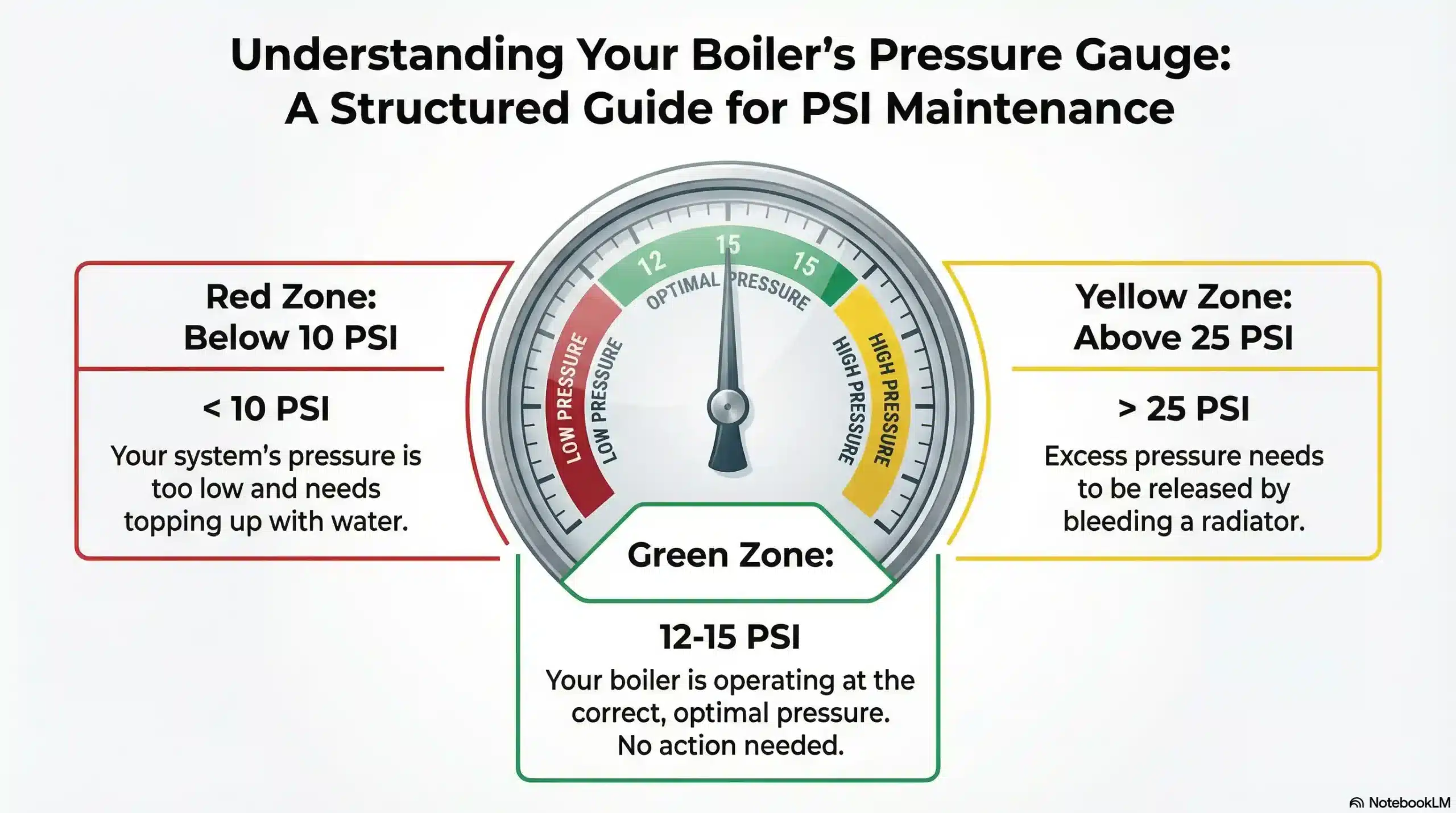
Ideal boiler pressure should typically sit between 12 and 15 PSI (1.0 to 1.5 bar) when the system is cold. If your gauge reads below 1.0 or climbs above 2.5, your heating efficiency is at risk and requires immediate adjustment. This guide breaks down how to read your gauge, troubleshoot fluctuations, and safely restore your home’s heat.
[Schedule a Professional Boiler Pressure Check-up]
Key Takeaways for Your Home’s Boiler Health
-
Optimal Pressure Range: For peak efficiency and safety, your boiler should typically maintain a pressure reading between 12 and 20 PSI.
-
Safety Threshold: Treat 25 PSI as your system’s “red line”. Exceeding this limit can damage internal components or lead to system failure.
-
The Temperature Link: It is normal for pressure to rise as water heats and expands; modern systems often reach roughly 30 PSI when running at full heat.
-
Simple Monitoring: Regularly check your boiler’s built-in gauge against the ideal range to catch potential issues before they become expensive repairs.
-
Actionable Fixes: Low pressure often requires adding water (repressurizing), while high pressure can sometimes be relieved by carefully draining excess water from the system.
-
When to Call a Pro: Persistent high pressure or frequent drops often indicate underlying leaks or valve malfunctions that require expert diagnostic tools.
-
Preventative Care: Annual HVAC maintenance is the most effective way to ensure consistent pressure and extend the lifespan of your heating system.
What Pressure Should Your Boiler Be At
Boiler pressure refers to the pressure of the hot water running through your heating system. The ideal boiler pressure ensures efficient heating and circulation throughout your home. Typically, the normal boiler pressure when the heating is off should hover around 12-15 PSI. For most residential boilers operating under normal conditions, a pressure reading of around 12 to 20 PSI is considered optimal.
How Boiler Temperature and Pressure Interact
Your boiler’s temperature and pressure are closely linked. As water heats, it expands, causing pressure to rise. A well-functioning boiler manages this pressure to keep it within a safe, efficient range. Modern boilers usually operate around 30 PSI when hot. However, it’s vital to monitor these levels regularly to avoid the high pressure that could lead to a boiler shutdown or, in extreme cases, a boiler explosion.
The Significance of Boiler Pressure 25 PSI and Beyond
Boiler pressure 25 PSI is typically considered the upper safe limit for residential systems. Exceeding this pressure is risky and could harm your boiler’s components, leading to leaks or system failure. If your gauge reads 25 PSI or higher, it’s a signal that your system needs immediate attention, possibly from a professional technician from Top-Notch Plumbing, Heating & Air.
Monitoring and Adjusting Your Boiler Pressure
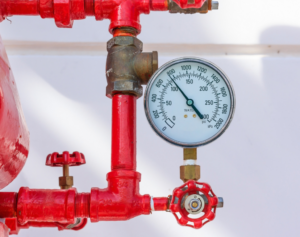
Checking your boiler pressure is straightforward:
- Locate the pressure gauge on your boiler.
- Note the reading and compare it to the ideal PSI range (12-20 PSI).
If the pressure is too low or too high, adjusting it is necessary to prevent inefficient operation or damage. Adding water to the system can increase low pressure, while releasing water through the pressure relief valve can decrease high pressure.
Causes and Fixes for Low Boiler Pressure
Low boiler pressure can result from leaks, recently bled radiators, or issues with the pressure relief valve. To fix low pressure, you may need to repressurize your system by adding water. However, finding and repairing leaks is crucial to prevent future pressure drops.
When High Boiler Pressure Occurs
High boiler pressure often results from too much water in the system or a malfunctioning valve. Reducing this pressure involves carefully releasing water from the system. Yet, if high pressure persists, professional assistance might be necessary to diagnose and fix the underlying problem.
Importance of Regular Maintenance
Routine checks and maintenance prevent sudden pressure changes and ensure your boiler operates efficiently. Top-Notch Plumbing, Heating & Air offers comprehensive HVAC maintenance to keep your system in top condition, ensuring a cozy and safe home environment.
Why Choose Top-Notch Plumbing, Heating & Air
At Top-Notch Plumbing, Heating & Air, we understand the importance of a well-functioning boiler system for your home’s comfort and safety. Our team of skilled technicians is ready to provide expert advice, maintenance, and repair services tailored to your needs. Visit our website at Top-Notch Heating Solutions to learn more about how we can keep your heating system running smoothly.
Recommended Technical Resources
-
ASME Boiler and Pressure Vessel Code (BPVC) The American Society of Mechanical Engineers (ASME) provides the global standard for the design, construction, and safety of boiler systems. This resource is essential for understanding the strict engineering regulations that govern residential and commercial boilers.
-
National Board of Boiler and Pressure Vessel Inspectors (NBBI). This organization provides the National Board Inspection Code (NBIC), which outlines the latest safety updates and maintenance requirements for pressure-retaining equipment in 2025.
-
Energy.gov: Maintaining Your Home Heating System The U.S. Department of Energy offers comprehensive guidelines on improving the efficiency and lifespan of your home’s boiler system through regular pressure monitoring and professional service.
Understanding and managing your boiler’s PSI is key to maintaining a warm, efficient, and safe home. Regular checks, knowing the ideal pressure, and how to adjust it, will keep your system running without a hitch. Remember, when in doubt, professional guidance from Top-Notch Plumbing, Heating & Air is just a call away. Trust us to handle your heating needs with expertise and care, ensuring your home remains a comfortable haven all year round.
FAQs
-
-
For most homes, the ideal boiler pressure is between 12 and 15 PSI when the system is cold. When the heat is running, it typically rises to 20–25 PSI.
-