How Long Do HVAC Systems Last? Average Lifespan and HVAC System Lifespan
Most HVAC systems last 10 to 15 years, though proactive maintenance can extend that lifespan to 20 years. At Top-Notch Plumbing, Heating & Air, we help Northern Colorado homeowners determine if a system needs a simple tune-up or a cost-effective replacement. Use the guide below to evaluate your unit’s health and see how local climate factors in Greeley and Loveland impact your equipment’s ROI.
[Schedule a High-Efficiency System Audit in Northern Colorado]
Key Takeaways: Maximizing Your HVAC Investment
-
Average Lifespan is 10–15 Years: While most systems last about a decade, proactive care can push your unit’s operational life to the 20-year mark.
-
Identify “End-of-Life” Red Flags: Watch for rising energy bills, frequent repair needs, or uneven temperatures as clear indicators that your system is losing efficiency.
-
Prioritize Preventative Maintenance: Simple tasks like changing air filters and cleaning outdoor units are the most cost-effective ways to prevent catastrophic breakdowns.
-
Leverage Professional Expertise: Annual inspections by a licensed technician can catch small issues before they become expensive replacements.
-
Know When to Replace vs. Repair: If repair costs are mounting and your unit is over 10 years old, upgrading to a modern, energy-efficient system often pays for itself in long-term utility savings.
-
Local Reliability Matters: Partner with a trusted local expert for routine checks to ensure your home remains comfortable regardless of Northern Colorado’s shifting seasons.
How Long Do HVAC Systems Last?
The average life of an HVAC system can vary depending on several factors, including the type of unit, its usage, and how well it’s maintained. On average, HVAC systems typically last between 10 to 15 years. However, with proper care and maintenance, they can sometimes extend their lifespan to 15 to 20 years.
Signs Your HVAC System Is Old
Recognizing the signs that your HVAC system is reaching the end of its lifespan can help you avoid unexpected breakdowns and costly repairs. Some common indicators that your HVAC unit is getting old include:
– Frequent Repairs: If you find yourself constantly needing to repair your HVAC system, it could be a sign that it’s nearing the end of its lifespan.
– Decreased Efficiency: As HVAC systems age, they often become less efficient at heating or cooling your home, resulting in higher energy bills.
– Strange Noises: Unusual sounds coming from your HVAC unit, such as banging, rattling, or squealing, can indicate underlying issues that may require attention.
– Uneven Heating or Cooling: If certain rooms in your home are consistently warmer or cooler than others, it could be a sign of a failing HVAC system.
When to Repair vs. Replace
Deciding whether to repair or replace your HVAC system can be a tough decision. As a general rule of thumb, if your HVAC system is more than 10 years old and requires frequent repairs, it may be more cost-effective to replace it with a newer, more efficient model. Additionally, if your energy bills are consistently high due to an inefficient HVAC system, investing in a replacement can lead to long-term savings.
Customized HVAC Maintenance Solutions in Northern Colorado
While general guidelines suggest a lifespan of 10 to 20 years, the specific climate of Northern Colorado can place unique demands on your system. To maximize the longevity of your investment, Top-Notch Plumbing, Heating & Air provides tailored maintenance plans designed for the local environment. Our expert team, led by HVAC R&S Department Manager Andrew, focuses on precision care to prevent the “Decreased Efficiency” and “Strange Noises” that signal a system in decline.
Our comprehensive service suite includes:
-
Precision A/C Tuning: Routine preventative maintenance on energy-efficient cooling systems to ensure optimal performance during peak summer heat.
-
Advanced Heating Care: Specialized maintenance and repairs for furnaces, boilers, and heat pumps to maximize energy efficiency and system reliability.
-
Ductless System Support: Expert diagnosis of refrigerant leaks, compressor failures, and electrical issues in modern mini-split systems.
-
Strategic Replacements: When frequent repairs become no longer cost-effective, we guide you through the installation of high-efficiency models backed by a 1-year labor warranty.
Maximizing Efficiency: The 2025 Guide to HVAC ROI
In 2025, maximizing the ROI of your home systems requires a shift from reactive repairs to proactive asset management. By staying ahead of issues such as uneven cooling or rising energy bills, homeowners in Greeley and Loveland can avoid the high costs of emergency breakdowns. Top-Notch Plumbing, Heating & Air supports this proactive approach by offering flexible financing options for system upgrades, ensuring that high-efficiency comfort is accessible to every budget.
To further enhance your system’s performance and your home’s value, we recommend these best practices:
-
Prioritize Professional Oversight: Schedule regular checks with licensed technicians who can identify potential issues early.
-
Address Debris Immediately: Keep outdoor units clear of dirt and leaves to maintain the airflow essential for system health.
-
Trust Local Expertise: Partner with a multi-year “Best of Greeley” award winner to ensure your maintenance is handled by professionals with a combined 60 years of industry experience.
-
Prompt Action on Signs of Wear: Calling a professional at the first sign of a strange noise or cooling drop can prevent a minor repair from becoming a total system failure.
How to Extend the Life of Your HVAC System
Regular maintenance and cleaning are key to extending the lifespan of your HVAC system. Here are some tips to help you keep your unit running smoothly for years to come:
– Change Air Filters: Regularly replacing your HVAC system’s air filters helps improve airflow and prevents dust and debris from accumulating inside the unit.
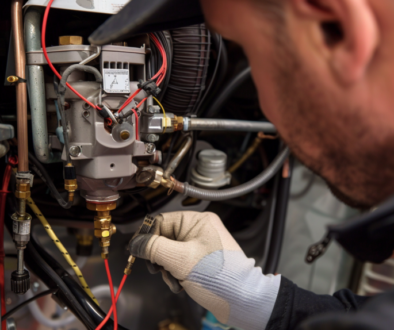
– Schedule Professional Maintenance: Hiring a HVAC technician to perform regular maintenance checks can identify potential issues early and prevent costly breakdowns.
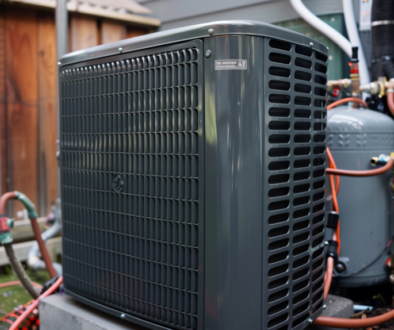
– Clean Outdoor Unit: Keep the outdoor unit of your HVAC system free from debris such as leaves, branches, and dirt to ensure proper airflow.
– Monitor Thermostat Settings: Avoid constantly adjusting your thermostat settings, as this can put unnecessary strain on your HVAC system.
– Address Repairs Promptly: If you notice any issues with your HVAC system, such as strange noises or decreased efficiency, don’t hesitate to call a professional to address them promptly.
Additional Resources & Citations
-
Energy.gov: Maintaining Your Air Conditioner An official guide from the U.S. Department of Energy detailing the impact of filter changes and coil cleaning on system efficiency and longevity.
-
ASHRAE: Equipment Life Expectancy Chart The industry standard for service life data, providing the technical benchmarks for how long different types of heating and cooling components are engineered to last.
-
ENERGY STAR: When is it Time to Replace? A comprehensive checklist for homeowners to determine if a system should be repaired or replaced based on age, humidity issues, and energy consumption.
By following these tips and staying proactive about maintenance, you can help extend the life of your HVAC system and enjoy efficient heating and cooling for years to come. At Top-Notch Plumbing, Heating & Air, we’re here to help you keep your HVAC system running smoothly.
Contact us today for all your HVAC maintenance and repair needs.
FAQs
-
On average, a residential HVAC system lasts 15 to 20 years. However, factors like local climate, usage frequency, and the quality of annual professional maintenance can significantly shorten or extend this window.