Lifespan of a Shower: What You Need to Know About Your Bathroom Fixtures
When it comes to bathroom renovations or maintenance, understanding the lifespan of your shower can help you avoid costly repairs and extend the longevity of this essential bathroom fixture. While materials, water quality, and frequency of use all impact the lifespan of your shower, proactive maintenance is key to keeping it in top condition.
Top-Notch Plumbing, Heating & Air, Northern Colorado’s most trusted plumbing experts, provides insight into how long your shower can last, and when it might be time for a replacement.
Key Takeaways
Keep your shower functioning optimally and avoid costly, unexpected failures with these critical insights and action steps:
-
Longevity Depends on Material: When planning a renovation, choose durable materials like ceramic or porcelain tile; they can easily last 20 years or more, significantly outlasting standard acrylic or fiberglass showers (10-15 years).
-
Hard Water is the Biggest Threat: Mineral deposits from hard water aggressively shorten the lifespan of showerheads, faucets, and mixing valves. Installing a water softening system is the most effective long-term preventative maintenance.
-
Focus on the “Small” Components: The most vulnerable parts—grout and caulk—need replacement every 5–10 years to actively prevent devastating leaks and water damage to the underlying structure.
-
Recognize the Non-Negotiable Red Flags: Persistent leaking, mold that returns immediately after cleaning, and inconsistent water flow are serious indicators. Do not delay professional repair, as these signs suggest compromise to the structural plumbing system.
-
Routine Inspection Pays Off: Scheduling regular plumbing assessments with a licensed professional is the most cost-effective way to catch minor issues (like subtle valve wear) before they escalate into an expensive, emergency system replacement.
Factors Impacting the Lifespan of Your Shower
The typical lifespan of a shower depends on several factors. These include the material of your shower, how often it’s used, and the quality of your water. Here’s a breakdown of the most significant elements:
-
Shower Materials
- Fiberglass or Acrylic Showers: These are popular due to their affordability and ease of installation. However, they tend to have a shorter lifespan compared to more durable materials. Fiberglass and acrylic showers typically last between 10-15 years, especially if well maintained.
- Ceramic and Porcelain Tile Showers: These materials are more durable and can easily last 20 years or more with proper care. The tiles themselves can outlast the grout and caulk, which may need to be replaced more frequently.
-
Water Quality
- Hard Water: Hard water can reduce the longevity of your shower fixtures. Mineral deposits from hard water cause buildup, which can affect showerheads, faucets, and valves over time. Regular cleaning and water softening systems can mitigate this issue.
-
Frequency of Use
- Heavily used showers, such as those in a family home, experience more wear and tear. If you have a busy household, expect to perform maintenance more often than in homes with fewer occupants. Showers in high-traffic bathrooms might need replacements sooner, typically every 10-15 years.
Average Lifespan of Common Shower Components
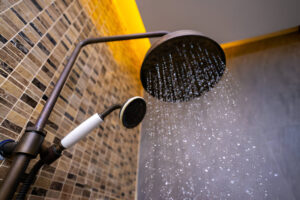
- Showerheads: A standard showerhead should last 6-8 years, though hard water may shorten this. Low flow or rain showerheads may require replacement sooner if not properly maintained.
- Valves: A mixing valve typically lasts 15-20 years, but irregular water pressure or poor water quality can affect its longevity.
- Grout and Caulk: These are usually the first elements that need replacement. Expect to re-caulk your shower every 5-10 years to prevent leaks and water damage.
- Shower Door or Curtain: While these aren’t part of the plumbing, they are integral to keeping water where it belongs. Shower curtains need replacement every few years, while glass enclosures can last decades if properly maintained.
Signs It’s Time to Replace Your Shower
Even with good maintenance, no shower lasts forever. Here are some signs it’s time to replace your shower:
- Leaks and Water Damage: If you notice persistent leaks, it’s a red flag that the underlying structure of your shower may be compromised.
- Mold or Mildew: When mold and mildew build up faster than you can clean, it may signal the presence of water damage or insufficient ventilation.
- Cracked or Damaged Surfaces: Cracks in the tiles, grout, or shower pan indicate the need for repair or replacement.
- Inconsistent Water Flow: A loss of water pressure, especially in older shower systems, could mean it’s time to upgrade your plumbing fixtures.
How to Extend the Lifespan of Your Shower
Top-Notch Plumbing, Heating & Air recommends these steps to prolong the life of your bathroom fixtures:
- Regular Cleaning: Cleaning the tiles and showerheads will prevent buildup and extend the life of your components.
- Water Softening Systems: Installing a water softener can prevent mineral buildup, a common issue in homes with hard water.
- Routine Inspections: Schedule regular plumbing inspections to catch issues early. Fixing small problems before they become big ones can save you money in the long run.
When to Call Top-Notch Plumbing
If you’re unsure whether it’s time to replace your shower or repair a component, the experts at Top-Notch Plumbing, Heating & Air are here to help. With over 60 years of combined experience, our licensed plumbers can provide a professional assessment and suggest the best course of action for your bathroom renovation or repair.
Whether you need help with a fiberglass shower, an acrylic shower, or more durable materials like ceramic and porcelain tiles, our team offers comprehensive plumbing services that ensure your bathroom fixtures are properly maintained and installed for longevity.
Sources and Citations
-
Tile Lifespan and Maintenance
-
Source: Tile Mechanics Corp.
-
How Long Do Tile Showers Last? | Tile Lifespan & Maintenance
-
-
Shower Valve Longevity and Water Quality
-
Source: Vertical Plumbing
-
-
The Impact of Hard Water on Plumbing Systems
-
Source: Tip Top Plumbing
-
Final Thoughts
Understanding the typical lifespan of a shower and its components allows homeowners to plan for future upgrades and prevent unexpected failures. For expert guidance on maintaining or replacing your shower, trust Top-Notch Plumbing, Heating & Air to provide the highest quality service in Northern Colorado. Schedule an inspection today to ensure your shower lasts as long as possible.
FAQs
-
A properly installed tile shower, including modern waterproofing, can last 20 to 50 years or more. The longevity depends entirely on quality craftsmanship and periodic grout maintenance.